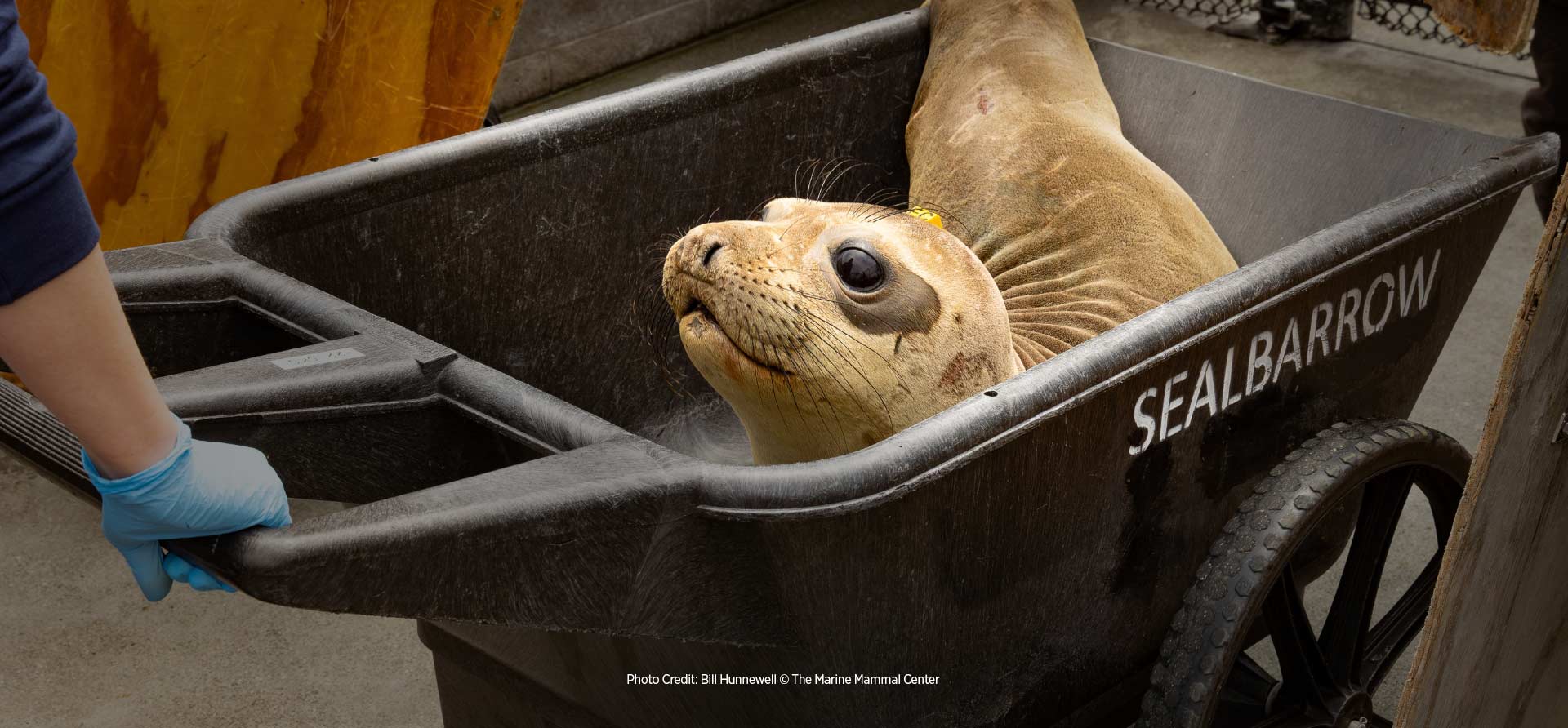
A dose of hope for Hawaiian monk seals
January 14, 2026
Avian influenza vaccine used in conservation work supporting endangered marine mammals
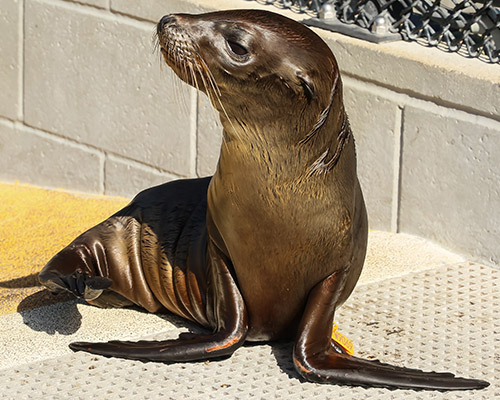
Zoetis lives its purpose to nurture the world and humankind by advancing care for animals, and its animal health solutions can be used in surprising places to make a positive impact on animals, those who care for them, and the communities they share. In a special project authorized by the U.S. Department of Agriculture (USDA), Zoetis scientists recently collaborated on a vaccine trial to help protect endangered Hawaiian monk seals from Avian Influenza. The trial was conducted at The Marine Mammal Center’s hospitals in California and Hawaiʻi.
Since the global outbreak began in 2020, HPAI H5N1 has infected domestic and wild avian and mammalian species. The virus has been found to infect more than 70 mammalian species, including approximately 20 aquatic mammalian species1. Pinniped species, including the Hawaiian monk seal, are highly susceptible to highly pathogenic avian influenza (HPAI). In 2023, HPAI H5N1 caused the deaths of at least 24,000 sea lions2 and wiped out 70% of elephant seal pups3 in Argentina. Then in November 2024, HPAI H5N1 was detected for the first time in Hawaii4, home to the Hawaiian monk seal population which numbers only about 1,600 seals5.
For its part of this important initiative, Zoetis donated doses of its Avian Influenza H5N2 subtype vaccine, labeled for use in lactating dairy cattle.
Building on our track record of quickly developing vaccines to address avian influenza in multiple countries, we are proud to support veterinarians working with wildlife, and the special animals they care for – such as the Hawaiian monk seals.
Kevin Esch, D.V.M., M.P.H., Ph.D., Dipl. ACVP, Executive Vice President and President, Research and Development at Zoetis
The vaccine Zoetis donated received a conditional license from the USDA in May 2025, though it is not commercially available because the decision to vaccinate commercial dairy cattle herds and poultry flocks against HPAI rests solely with national regulatory authorities in partnership with the dairy and poultry industries. In supporting the trial related to the Hawaiian monk seals, Zoetis scientists worked with veterinary and marine mammal experts, selecting Zoetis’ vaccine created for cattle (mammals, like the seals) rather than a similar vaccine for chickens.
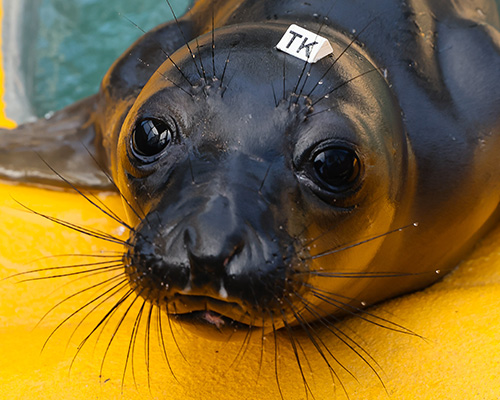
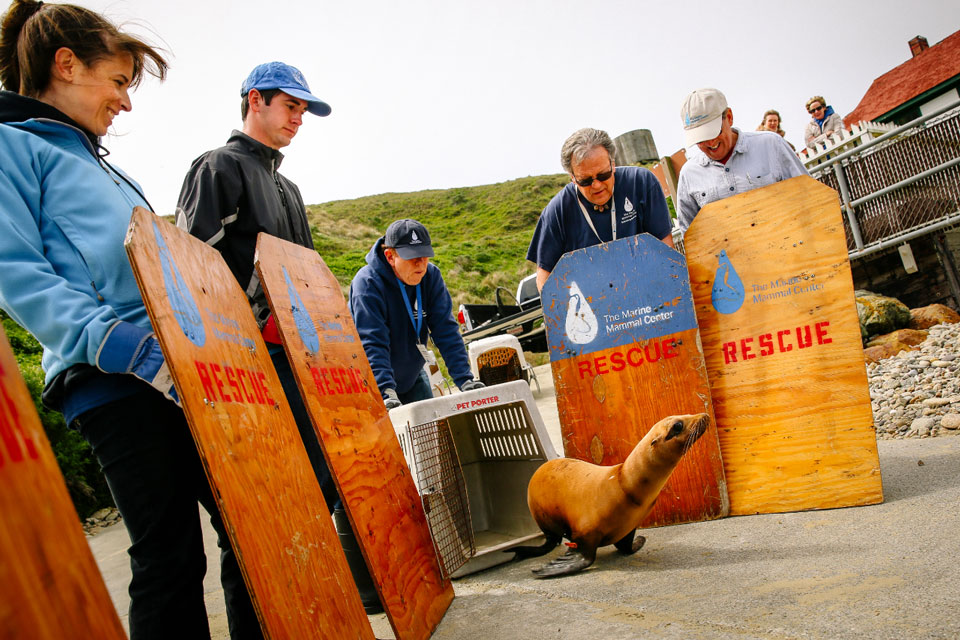
Under the expert care of veterinarians at The Marine Mammal Center, the vaccine was first used in northern elephant and fur seals at the Center located in Sausalito, Calif., as surrogates for safety and immunogenicity. Following that surrogate trial, which demonstrated the vaccine was well-tolerated and induced a clear, measurable antibody response, veterinarians with the Center vaccinated several monk seals under care at their Hawaiʻi Island-based hospital. NOAA Fisheries is taking the Center’s results into consideration as it works to ensure the survival of these federally protected, at-risk marine species. A highly successful NOAA-led morbillivirus vaccination effort in Hawaiian monk seals has been ongoing since 2016.
For years, HPAI has posed an unprecedented threat to poultry worldwide, and in 2024 HPAI was detected in dairy cattle in the U.S. and other mammals throughout the world. As a zoonotic disease, HPAI can infect humans, though according to the U.S. Centers for Disease Control (CDC), the risk is low6 for public health. Outbreaks of HPAI have continued to ebb and flow with the patterns of the world’s migratory birds, and despite strengthened biosecurity practices, this infectious disease has devastated commercial and backyard poultry flocks across Africa, Asia, Brazil, Canada, Europe and the U.S.
Zoetis, the world’s leading animal health company, supports a One Health approach to emerging and transboundary diseases, many of which are zoonotic, with the company’s experts tracking outbreaks, working closely with leaders from governments, health organizations and veterinary communities to combat high-impact infectious diseases – including by updating or creating new vaccines that may be needed. As part of the company’s commitment to a healthier, more sustainable future, Zoetis and its scientists combat diseases that pose the greatest risk to animals and people and ultimately contribute to thriving communities and ecosystems.
References
1 Update on H5N1 Panzootic: Infected Mammal Species Increase by Almost 50% in Just Over a Year. Accessed Jan 8, 2026.
2 Pacific and Atlantic sea lion mortality caused by highly pathogenic Avian Influenza A(H5N1) in South America. Accessed Jan 5, 2026.
3 Catastrophic mortality of southern elephant seals caused by H5N1 avian influenza. Accessed Jan 5, 2026.
4 Avian Influenza Confirmed in Backyard Flock of Birds. Accessed Jan 5, 2026.
5 Hawaiian Monk Seal Population Rounds Out a Decade of Growth. Accessed Jan 5, 2026.
6 H5 Bird Flu: Current Situation. Accessed Jan 5, 2026.